Stats
Actions
Available In
Tags

Runs a disciplined spec-to-deploy lifecycle using AI agents (Product Owner + AI Developer) to build FuseBase Apps, with automated quality gates, business-logic documentation, token economy, and deployment management to prevent drift and scope creep.
Run the find-wasted-code audit — the code-per-friction sibling of /token-waste-audit and /find-wasted-effort. Statically scans this repo for dead-end tool calls, broken links, missing helpers, footgun configs, and a silent-push-through baseline, then writes a TRACKED report to docs/wasted-code/report.md. Manual-trigger only; read-only except the one report write; findings are review candidates, never auto-fixes. (FuseBase Flow)
Run the find-wasted-effort audit — the process-per-outcome (ceremony) sibling of /token-waste-audit. Parses Flow artifacts on disk (gate/deploy reports, handoffs, approval artifacts, git log, prevents: annotations) for ceremony that bought no safety outcome. Read-only; report goes to state/audit/ (gitignored). Findings are review candidates, never auto-prune. (FuseBase Flow)
Run the read-only health check. Reports CLI_LAYER_DRIFT, FLOW_LAYER_DRIFT, SHARED_MERGE_DRIFT, EXCEPTION_IN_EFFECT, BROKEN, or HEALTHY, and offers Flow recovery only for Flow-owned/shared drift after explicit operator confirmation. (FuseBase Flow)
Write the active session restart state to docs/tmp/handoff.md so a fresh AI session continues from the exact current point. Triggers the handoff skill — inspects repo state, reconstructs goal/decisions/failures/next-step, and writes the 16-section handoff for the next coding agent (not a human report). (FuseBase Flow)
Onboard THIS project to FuseBase Flow. The Product Owner interviews you about your vision, audience, and domain, then writes the project artifacts (docs/north-star.md, AGENTS project-values) that steer all future work. Re-runnable. Skipping is fine — Flow works generically without it; nothing is created unless you provide content. (FuseBase Flow)
Use this agent to execute a Fusebase Flow AI Developer or Deploy-phase handoff. Invoke with `docs/tmp/handoff/<date>-<slug>-implement.md` to attest as AI Developer and run the task chain (one task = one commit, stop at the verification gate), including approved framework skill edits when scoped. Invoke with `docs/tmp/handoff/<date>-<slug>-deploy.md` to attest as Deploy phase and run the deploy command per the deploy handoff (capture deploy hash, run probes, observe smoke results). Never drafts specs or decisions; never approves deploys without an explicit handoff artifact. Stops at the gate; produces the gate report and waits.
Run this agent when the user wants to create or update an app. It analyzes the user's requirements and produces a detailed technical architecture plan — data model, backend needs, permissions, UI structure — that the main coding agent will implement.
Use this agent when a new app has been generated or scaffolded in the project. It verifies that the app has been properly created.
Use this agent to lead the Fusebase Flow ticket lifecycle from Specify through deploy closeout. Drives Specify, Clarify, Plan, design discovery/ideation, skill classification, Decisions, Tasks, draft-verification-gate, post-implement code-review (and security-permissions-review when the diff touches a sensitive surface), deploy-handoff drafting, and deploy closeout (verifying the Deploy session's single FR-14 docs commit landed). Absorbs Architect responsibilities inline when escalation triggers fire (investigation surface > 10 files, cross-cutting refactor, platform blocker, blocked-migration design). Never edits application code; produces specs, decisions, tasks, gates, handoffs only.
Workflow for testing Fusebase API calls interactively using temporary tokens. Use when: 1. You need to verify an API endpoint behavior before writing app code, 2. You want to explore available API responses or schemas, 3. You're unsure how an API endpoint works and need to test it, 4. Debugging API integration issues by making direct calls.
Author, validate, publish, and centrally verify consumer-driven contracts for cross-app API calls. Use when: 1. An app's runtime calls another app via AppApisApi.callAppApi(...), 2. Authoring or editing *.contract.json files, 3. Confirming a provider you depend on still behaves as expected, 4. Checking whether a provider change would break dependent apps.
Guide for adding a backend layer (REST API, WebSockets, cron jobs) to Fusebase Apps apps. Use when: (1) An app needs a server-side API beyond the Dashboard SDK, (2) Adding REST endpoints or WebSocket support, (3) Setting up the backend/ folder structure, (4) Scheduling cron jobs for periodic tasks. The backend is OPTIONAL — only add when the app genuinely requires server-side logic.
Maintain docs/en/business-logic.md in English — human-readable business logic, main user flows, scenarios, and edge cases. Use after domain or workflow code changes, or when revalidating the app during debugging.
Practical guide for building Fusebase Apps apps. Use when: (1) Creating a new app, (2) Setting up project structure, Vite config, or authentication, (3) Building or registering apps, (4) Configuring permissions or public access, (5) Navigating between apps, (6) Fetching user details, (7) Troubleshooting build issues.
Uses power tools
Uses Bash, Write, or Edit tools
Based on adoption, maintenance, documentation, and repository signals. Not a security audit or endorsement.
The framework client-facing teams use to build internal and client-facing apps with AI.
🌐 Read this in: 🇪🇸 Español · 🇫🇷 Français · 🇩🇪 Deutsch · 🇧🇷 Português · 🇯🇵 日本語 · 🇨🇳 简体中文
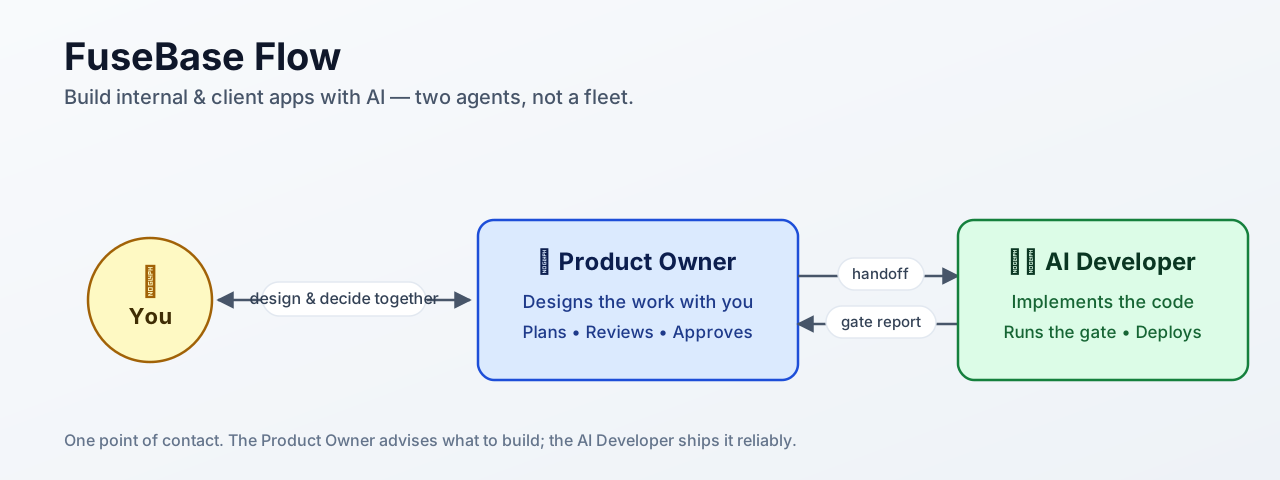





A development framework for client-facing businesses and teams, FuseBase Flow covers what breaks during real app development for internal and external collaboration — drift, context rot, scope creep, unreliable hand-offs — so two AI agents (a Product Owner and an AI Developer) can ship reliably.
It shapes your existing AI agent through repo files — no SaaS, no daemon, no proprietary runtime. Works in Claude Code, Codex, Cursor, Copilot, and Gemini.
FuseBase Flow is built and maintained by FuseBase (Nimbus Web Inc.) — a US company building client-facing collaboration software since 2014 (11 years). It's the framework FuseBase itself uses to ship apps, backed by a proven product track record:
FuseBase Flow isn't an experiment — it's the workflow a real product company runs on.
Real client-facing apps — a help-desk, a rental marketplace, an adoption-analytics dashboard, a training portal, a client-interview workspace, and more — built with FuseBase Flow on FuseBase Apps, by the community in a few days.
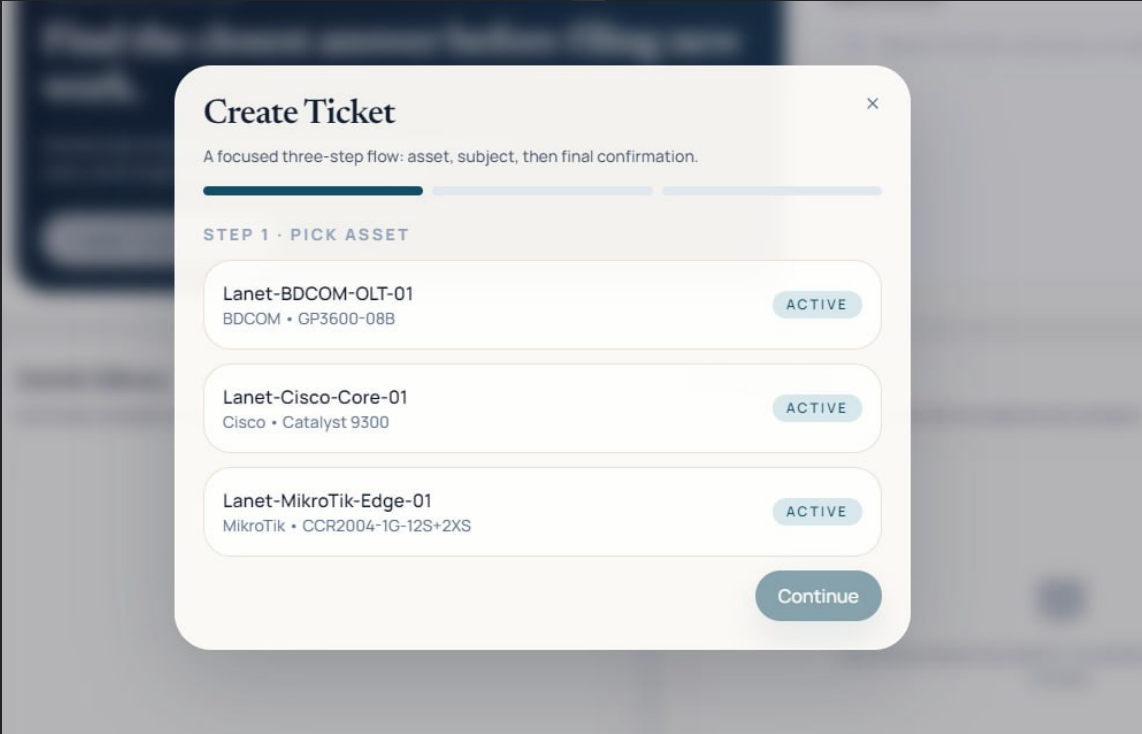 Help-desk ticketing | 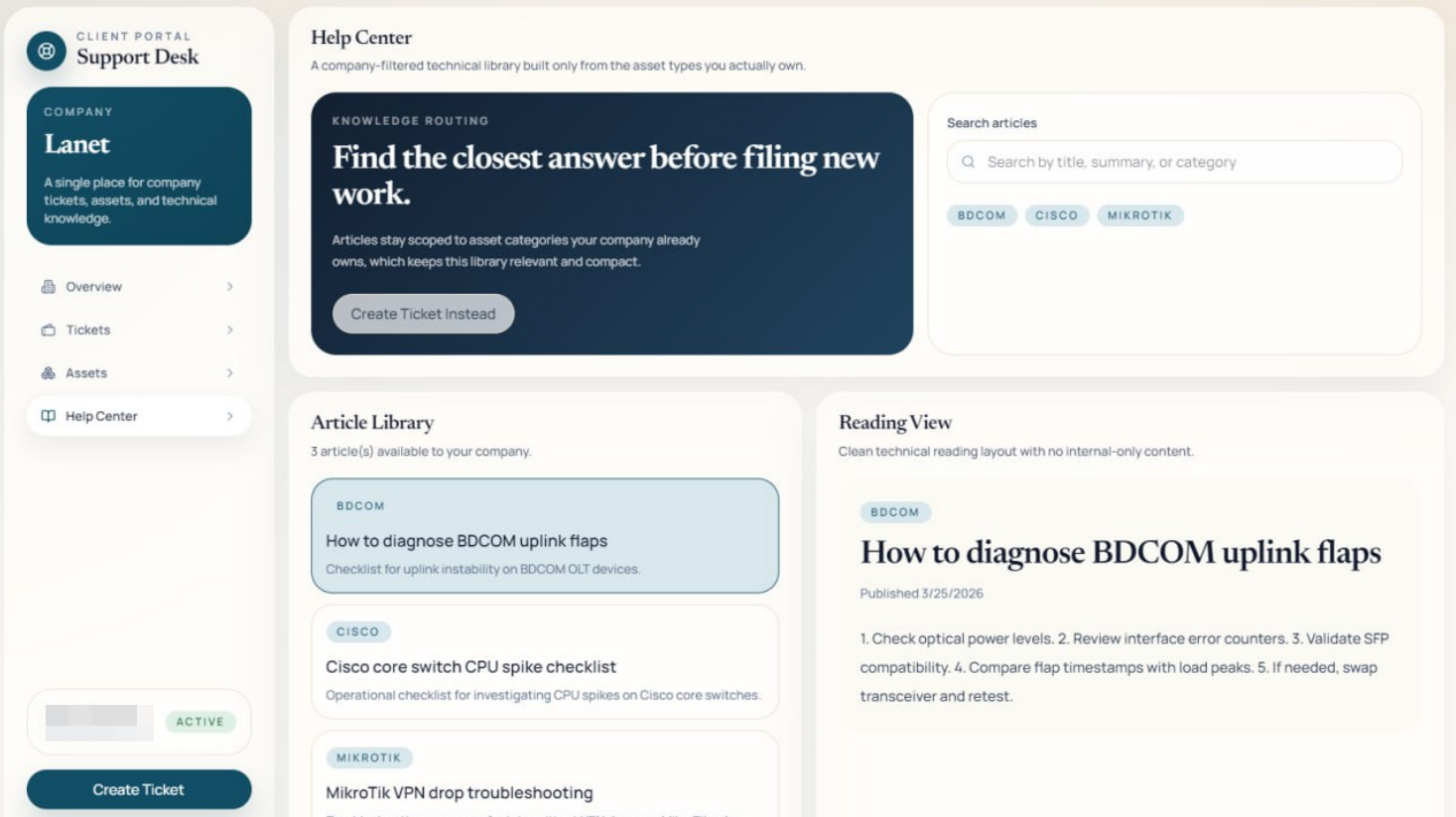 Support desk & KB | 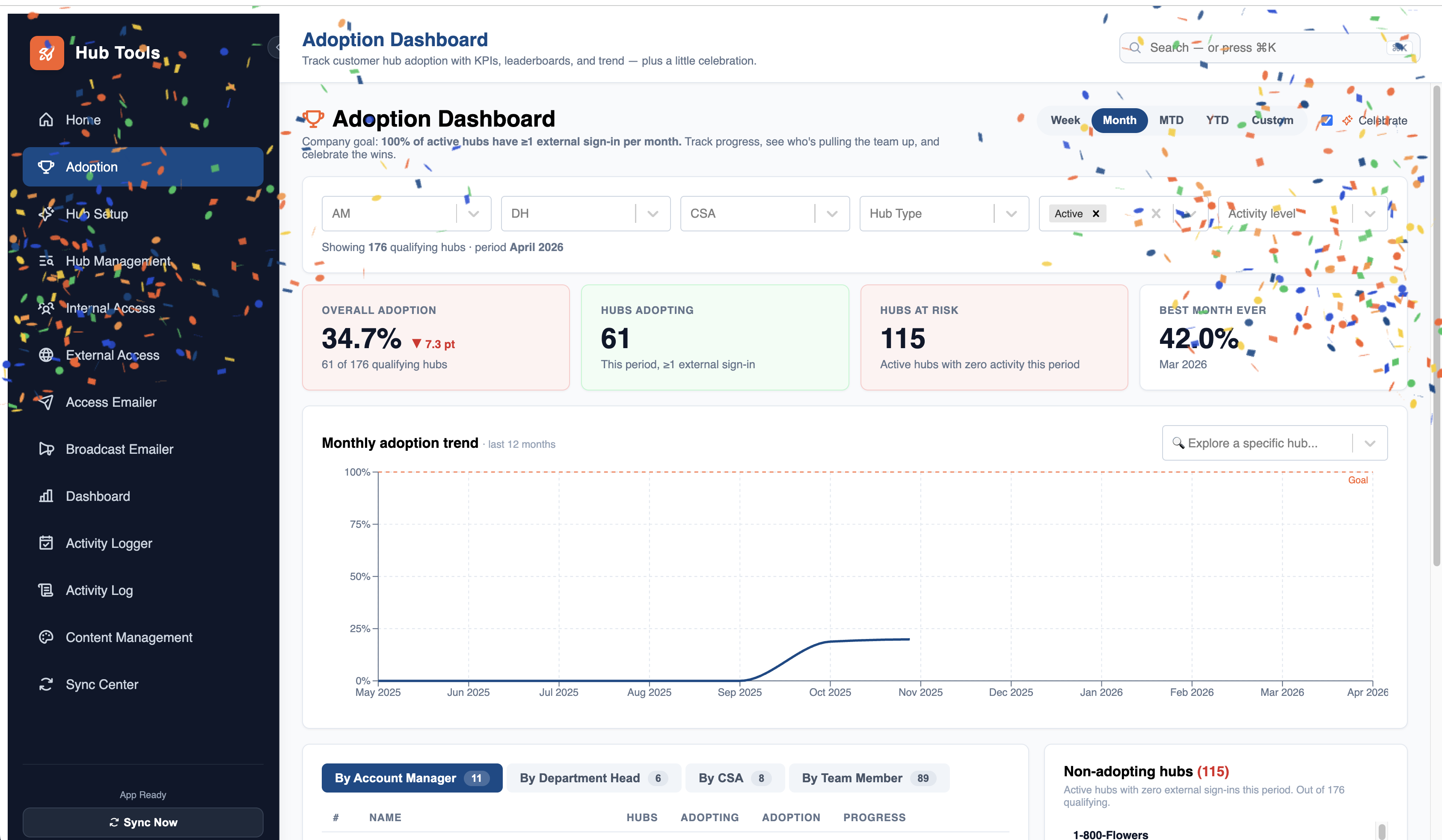 Analytics dashboard |  Rental marketplace |
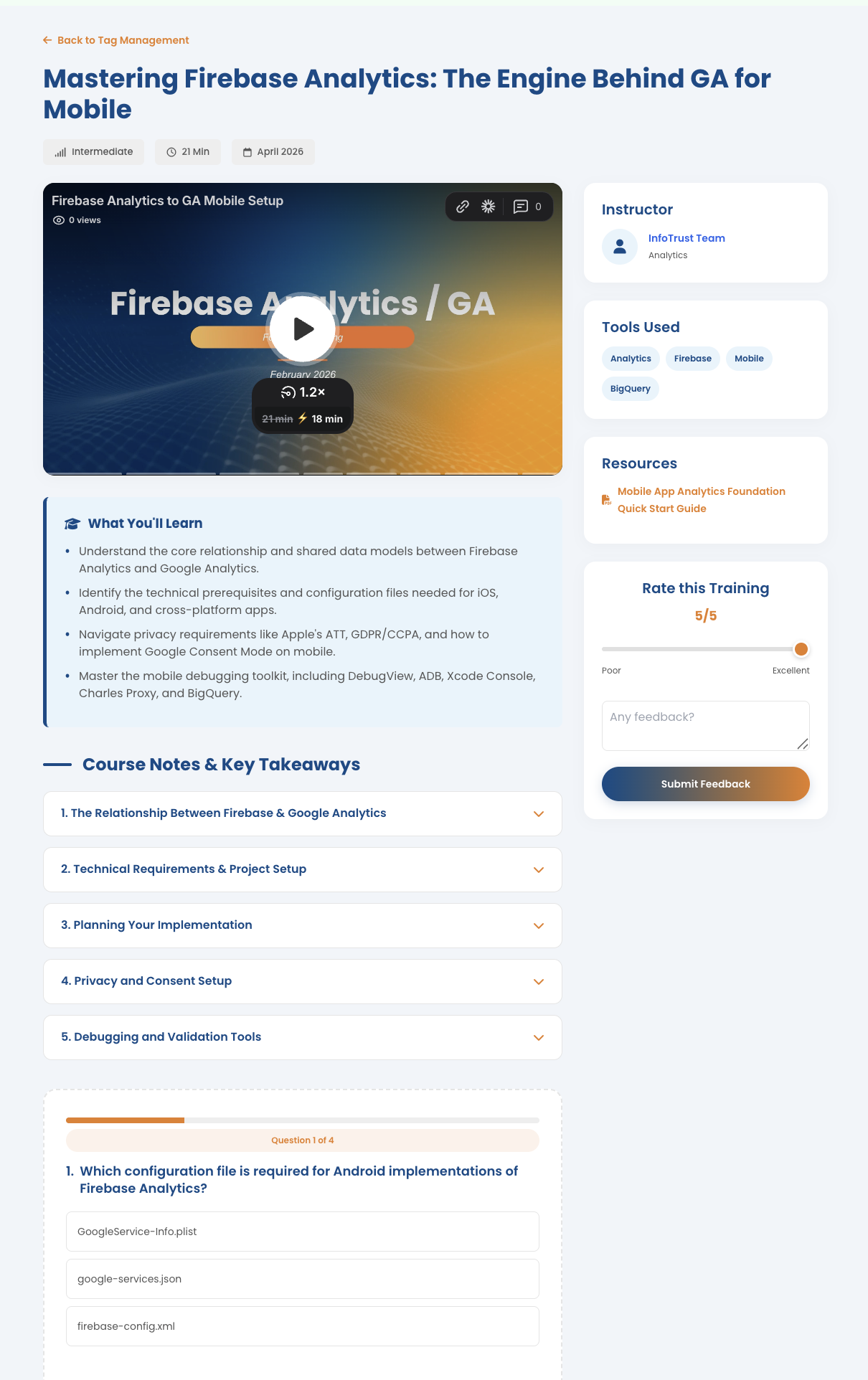 Learning & training | 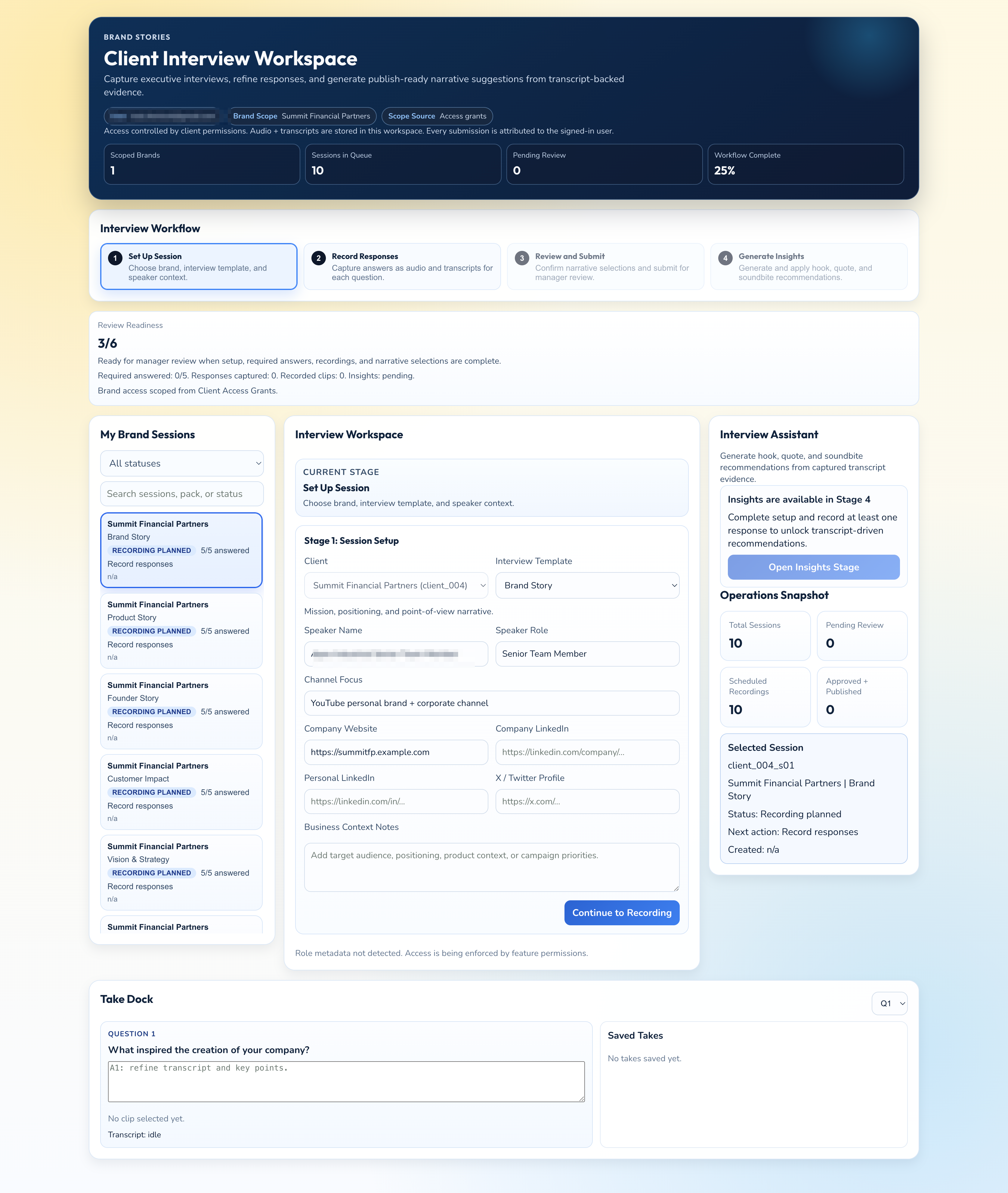 Interview workspace | 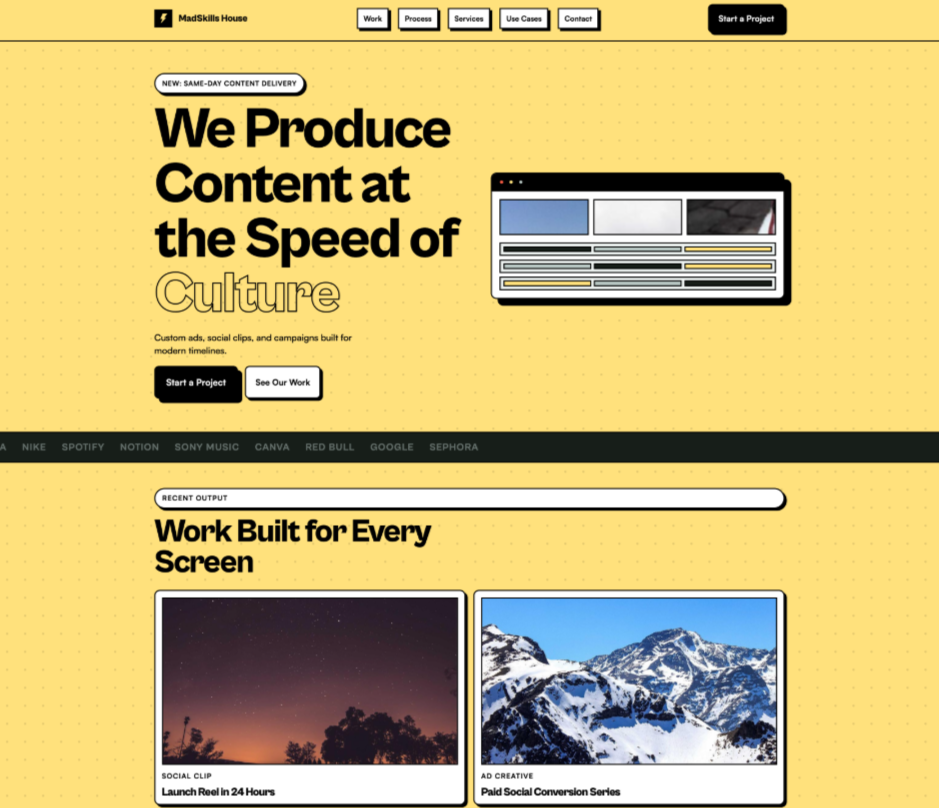 Marketing site | 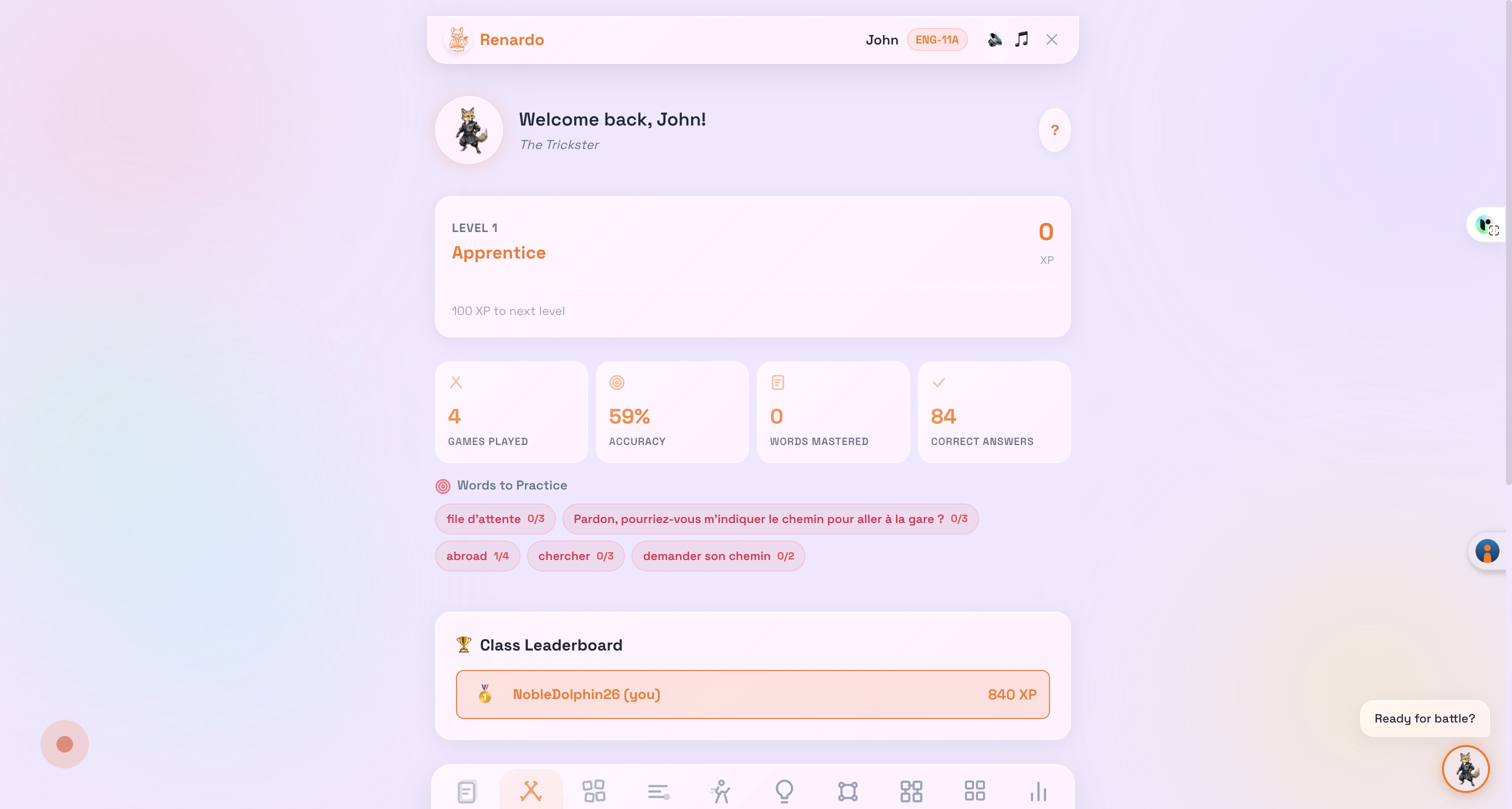 Language-learning game |
🔎 Explore the full gallery → ai-dev.thefusebase.com · Built something with FuseBase Flow? Share it in Show and tell — standout projects get featured here.
npx claudepluginhub fusebase-dev/fusebase-flow --plugin fusebase-flowConsult multiple AI coding agents (Gemini, OpenAI, Grok, Perplexity, plus codex, antigravity, and grok CLIs when installed) to get diverse perspectives on coding problems
 hex
hexComprehensive skill pack with 66 specialized skills for full-stack developers: 12 language experts (Python, TypeScript, Go, Rust, C++, Swift, Kotlin, C#, PHP, Java, SQL, JavaScript), 10 backend frameworks, 6 frontend/mobile, plus infrastructure, DevOps, security, and testing. Features progressive disclosure architecture for 50% faster loading.
 Jeffallan
Harness-native ECC plugin for engineering teams - 67 agents, 279 skills, 94 legacy command shims, reusable hooks, rules, MCP conventions, and operator workflows for Claude Code plus adjacent agent harnesses
 affaan-m
Access thousands of AI prompts and skills directly in your AI coding assistant. Search prompts, discover skills, save your own, and improve prompts with AI.
 f
fUpstash Context7 MCP server for up-to-date documentation lookup. Pull version-specific documentation and code examples directly from source repositories into your LLM context.
 upstash
Develop, test, build, and deploy Godot 4.x games with Claude Code. Includes GdUnit4 testing, web/desktop exports, CI/CD pipelines, and deployment to Vercel/GitHub Pages/itch.io.
 Randroids-Dojo
'%20stop-opacity%3D'0.16'%2F%3E%3Cstop%20offset%3D'1'%20stop-color%3D'rgb(200%2C90%2C60)'%20stop-opacity%3D'0.03'%2F%3E%3C%2FlinearGradient%3E%3C%2Fdefs%3E%3Crect%20width%3D'320'%20height%3D'200'%20fill%3D'url(%23g)'%2F%3E%3Ccircle%20cx%3D'250'%20cy%3D'56'%20r%3D'92'%20fill%3D'rgb(200%2C90%2C60)'%20fill-opacity%3D'0.06'%2F%3E%3Ccircle%20cx%3D'64'%20cy%3D'172'%20r%3D'58'%20fill%3D'rgb(200%2C90%2C60)'%20fill-opacity%3D'0.05'%2F%3E%3C%2Fsvg%3E)